THE BIDWISE DESK · PROCUREMENT, IN PLAIN LANGUAGE · EST. 2026
Notes on bidding well
Editorial resources on tender discovery, analysis, preparation and procurement intelligence. Every item here is genuine guidance written for this platform — no fabricated research, statistics or case studies.
Lead guide · Tender analysis
How to analyse a government tender
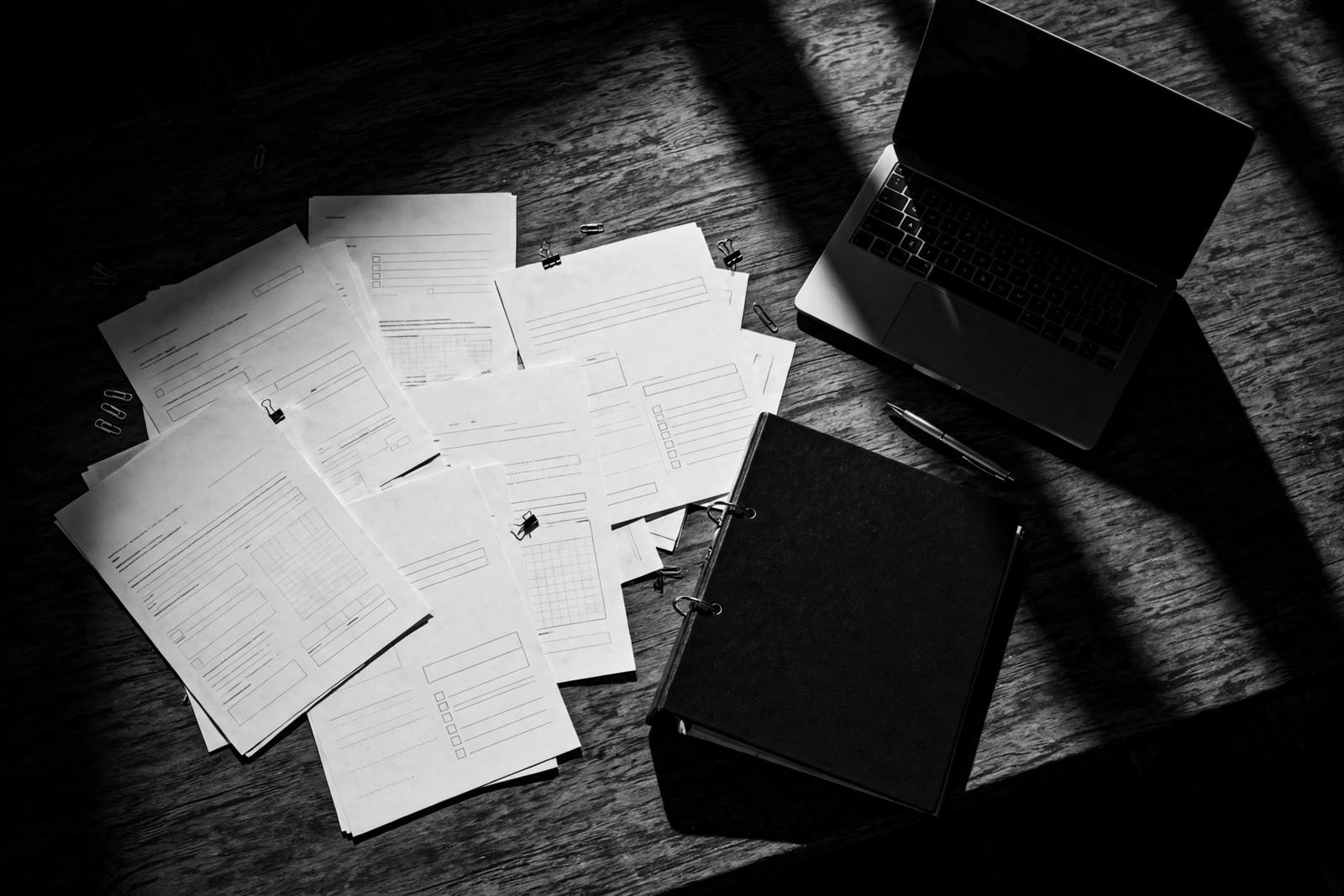
Start with the submission instructions and the disqualification clauses, not the scope. Extract every “must” and “shall” into a list with its page reference. Separate mandatory conditions from scored criteria. Note every date, then check for amendments before you write a word. That sequence — instructions, mandatories, dates, amendments — is exactly what the Bidwise document workspace automates, and what the $149 human review verifies.
Guide · Compliance
The compliance matrix, explained
A compliance matrix maps each buyer requirement to the evidence that answers it. Its discipline is the starting status: every row begins as “Not evidenced.” A row only changes when a real company document has been checked against that exact requirement. Any tool that marks you compliant because you uploaded a file is selling false confidence.
Guide · Bid preparation
Working backwards from a deadline
Count working days, not calendar days. Protect five working days for the internal draft, three for an independent red-team read, and one for final QA and sign-off. The free deadline calculator and Bid Response Planner on the Tools page do this arithmetic with a starter holiday set per jurisdiction — verify regional holidays against the official local calendar.
Reference · Sources
What our four sources do — and do not — publish
SAM.gov publishes US federal opportunities (our snapshot is a capped sample of 200 of 5,526 reported). CanadaBuys publishes Canadian federal notices (121 in the snapshot). TED publishes above-threshold EU notices (capped sample of 200 of 2,428). AusTender's API publishes contract notices — awards — which is why Australia shows award intelligence and zero open tenders here. Snapshot date: 30 Oct 2026, 01:40 UTC.
THE BUYER'S BUILDING IS NOT THE MYSTERY. THE DOCUMENTS ARE. — THE BIDWISE DESK